


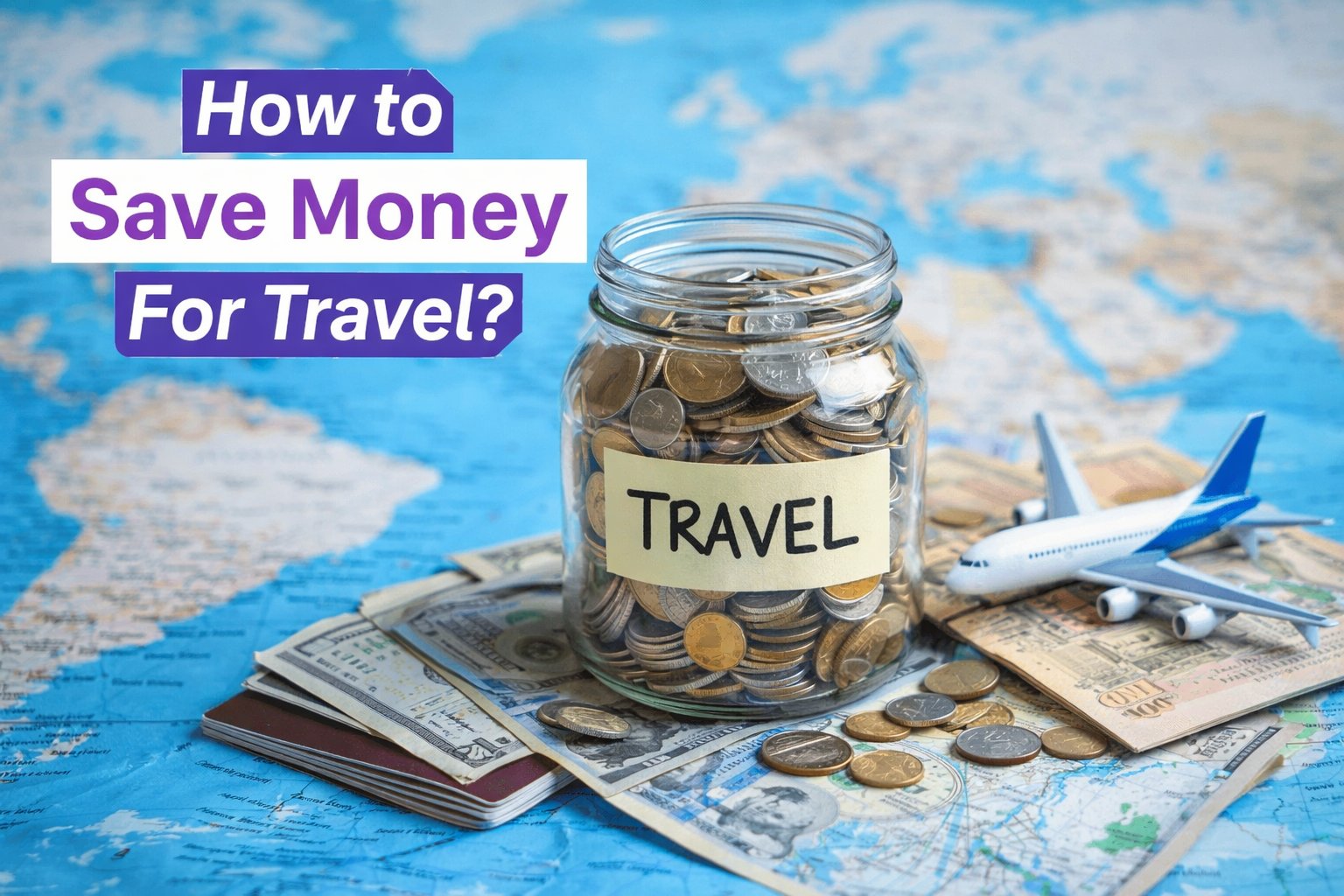
How to Save Money for Travel (Students Guide for 2026)
Let’s be honest-almost all of us dream to travel the world. We save Instagram reels of beaches, mountains, cafés in Europe, and hidden villages, telling ourselves “one day.”
But the moment we start thinking about the cost, the plan quietly disappears. As teenagers or students, most of us don’t have a steady income, so travelling often feels unrealistic.
The truth is, travelling is possible-even on a tight budget-if you plan smartly. In this blog, we’ll talk about how to save money for a trip in just four months, how to spend wisely while travelling, and how good research can save you more money than you expect.
So stay connected-you might just find the plan for your next budget-friendly trip.
Ways to Save Money for Travel
Saving for a trip usually starts months-or sometimes even years-before the actual journey. The time needed depends on your destination and the kind of trip you want.
Here’s how you can save effectively within your regular expenses:
First, decide your destination and set a realistic budget. Once you know roughly how much money you’ll need, divide that amount into weekly or monthly savings. Having a clear target makes saving feel more achievable.
Next, cut down on unnecessary spending. Small habits make a big difference over time. Eating out less often, making coffee at home, or using public transport instead of cabs can help you save more than you realise.
Dont forget to track your daily expenses. Writing down what you spend each day shows you where your money actually goes. Once you notice unnecessary spending, it becomes easier to control it.
If possible, try to earn extra money. Part-time jobs, freelancing, internships, or even selling items you no longer use can add a lot to your travel fund.
Most importantly, set aside a fixed amount only for travel-weekly or monthly-and treat it as untouchable. Don’t dip into it for random expenses. This discipline is what turns travel dreams into real plans.
Saving takes time and consistency, but visiting new places and creating memories makes every effort worth it.
Saving Money While Travelling
Travelling doesn’t mean spending all the money you saved. It means spending smartly.
Transportation plays a big role in your budget. Instead of always choosing flights, consider trains or buses. They are much cheaper and often give you a chance to enjoy scenic routes along the way.
Accommodation can take up a large portion of your expenses. Rather than booking expensive hotels, look for hostels, PGs, homestays, or rented rooms. In hill stations and valley areas, these options are affordable, comfortable, and easily available.
Food is another area where money disappears quickly. Avoid eating at expensive cafés or tourist restaurants every day. Local food, street stalls, and small eateries are usually cheaper-and they give you a real taste of the place’s culture.
For short trips or solo travel, it’s better to avoid travel agencies, as they often charge extra. Planning your own trip gives you more control over your budget. Travelling in a group also helps, since costs like accommodation and transport get shared.
Using local transport, walking short distances, and avoiding unnecessary shopping can save a lot of money. Focus more on experiences than luxury. That way, you enjoy your trip without constantly worrying about expenses.
Why Research Matters
Good research is one of the most important parts of budget travel. When you research a place properly, you save both money and stress.
Before travelling, look for affordable accommodation, cheap transport options, and budget-friendly food spots. Knowing these in advance helps you avoid overpriced tourist traps.
Research also helps you decide what is actually worth visiting. Instead of only popular tourist spots, explore lesser-known places. They are often less crowded, more peaceful, and much cheaper-while still offering natural beauty and rich culture.
Timing matters too. Travelling during the off-season can significantly reduce costs for hotels and transport. Always check the weather, local festivals, and crowd levels before finalising your dates.
Reading travel blogs, watching videos, and checking reviews gives you real insights from people who’ve already been there. When you know what to expect, you plan better and avoid unnecessary expenses.
With proper planning, mindful spending, and good research, travelling becomes easier, more meaningful, and completely stress-free-even on a budget.
And if saving money feels difficult when you’re working with small amounts, that’s where smart tools can really help. To make saving easier for students and beginners, Dive lets you start investing in digital gold with just ₹100. Instead of letting small amounts sit idle or get spent, you can slowly grow them and earn a little extra on the side.
Even small, regular investments can add up over time and help you build a travel fund without feeling the pressure. When saving becomes simple and flexible, planning that dream trip no longer feels impossible-it just feels closer.